

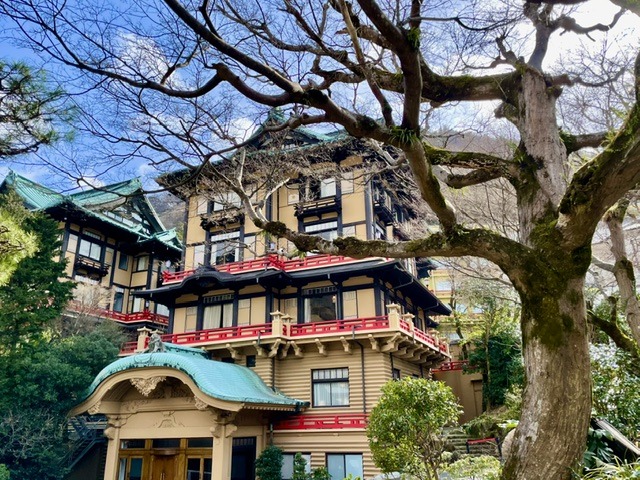

There is a particular kind of prestige that only time can confer.
The Fujiya Hotel understands this instinctively. Nestled in the mountain resort town of Hakone, this storied property has been receiving guests since the late nineteenth century — and it carries that history not as a burden but as a quiet credential, worn with the confidence of something that has never needed to prove itself.
I spent a long weekend in the heritage wing recently, and what struck me most was not the architecture, nor the hot spring waters, nor even the extraordinary dining room — though each deserves its own meditation. It was the atmosphere of unhurried permanence. In an industry increasingly governed by openings, rebrands, and renovations designed to generate coverage, Fujiya simply endures.
A Hotel That Wears Its Age Well
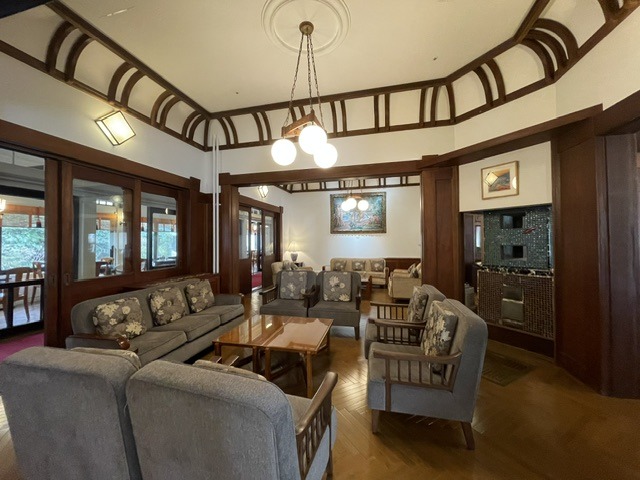
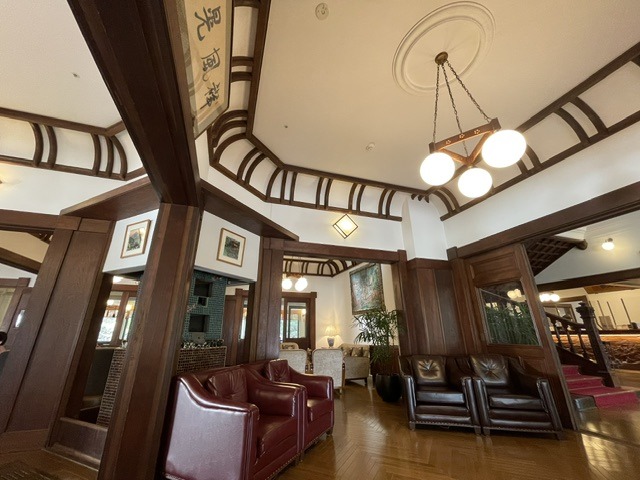
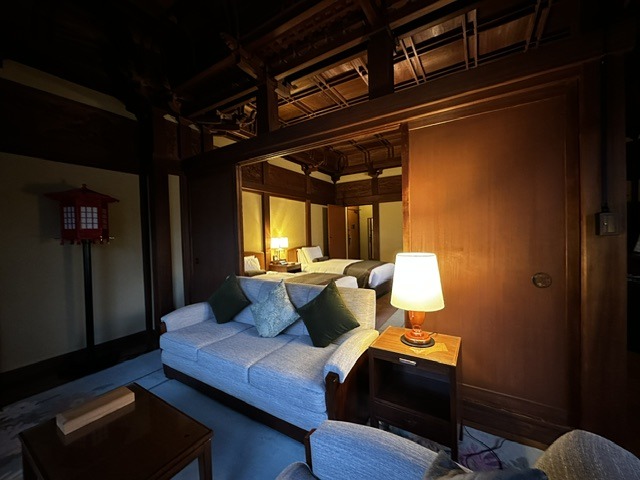
The corridors belong to another century. The woodwork speaks of craftsmanship that contemporary interiors rarely bother attempting. Where a more anxious property might have aggressively modernized, Fujiya has instead exercised the far greater discipline of restraint — refreshing without erasing, maintaining without embalming. The result is a hotel with genuine patina rather than the performative nostalgia that so many new luxury properties spend fortunes trying to simulate.
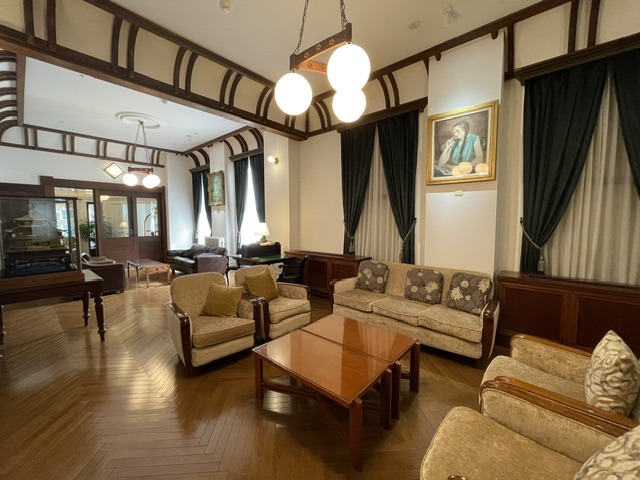
Those expecting the flawless surfaces of a newly opened resort will need to recalibrate their expectations — and their definition of luxury. The slight softening of edges here is not neglect. It is evidence. Nearly 150 years of guests arriving from Tokyo in search of mountain air and thermal waters have left their mark, and the hotel is better for it.
Dinner: An Occasion Worth Dressing For
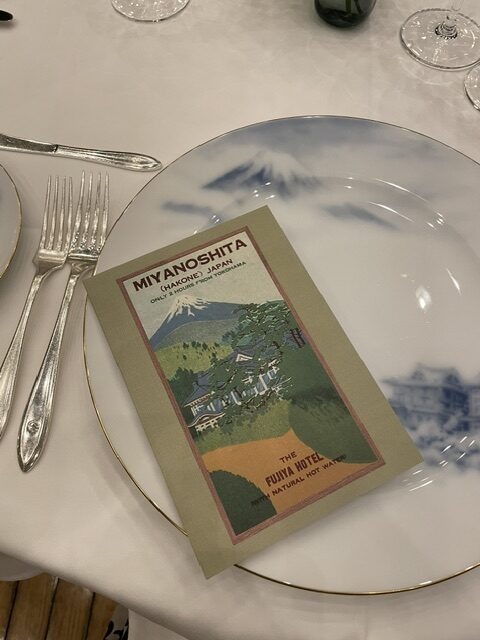
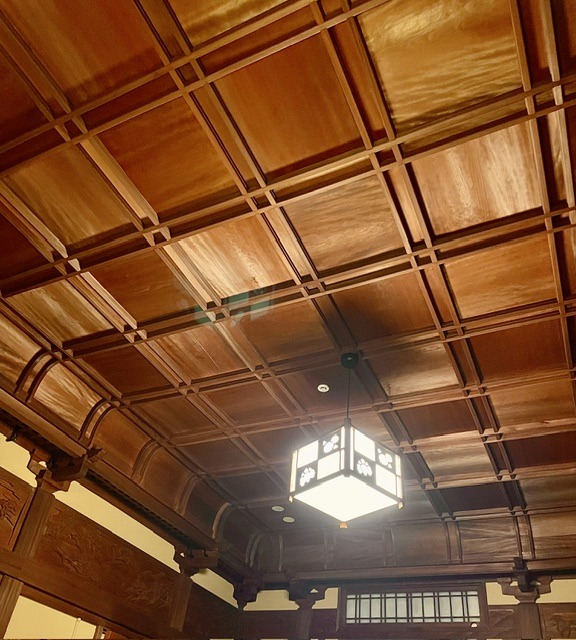
The main dining room is the hotel’s undisputed centerpiece. An extraordinary hand-painted ceiling presides over the space, and dinner here quickly becomes something more ceremonial than culinary. The menu is classical and confident — no architectural plating, no twelve-course provocations — just the quiet assurance of a kitchen that knows exactly what it is.
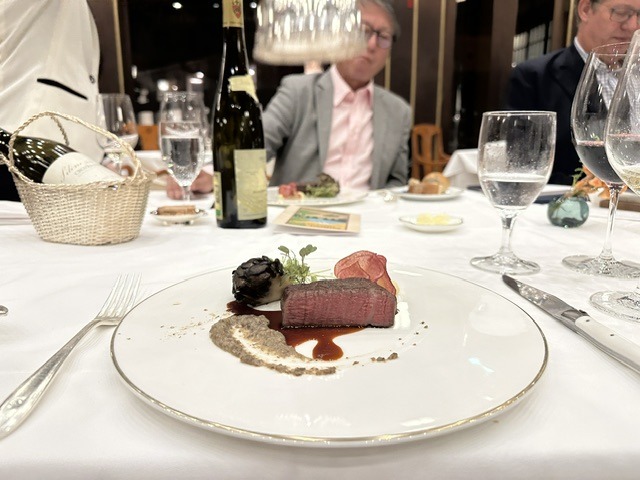
Dress well. Order wine. Resist the impulse to rush.
By the time dessert arrives, you will have remembered something travel can occasionally make you forget: that an evening of simple, well-executed pleasure is among the finest things available to us.
Breakfast at the Imperial Villa: The Quieter Pleasure
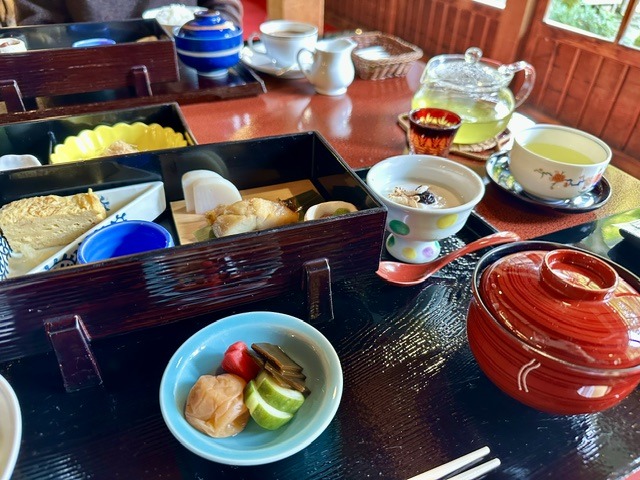
The first meal of the day, however, belongs somewhere else entirely.
Across the road from the main building, the former Imperial Villa — managed by the hotel and available exclusively to its guests — offers an experience that serves as perfect counterpoint to the previous evening’s grandeur. This elegant structure once provided summer sanctuary for members of the Imperial Family, and the atmosphere of considered simplicity it cultivated then remains palpable now.
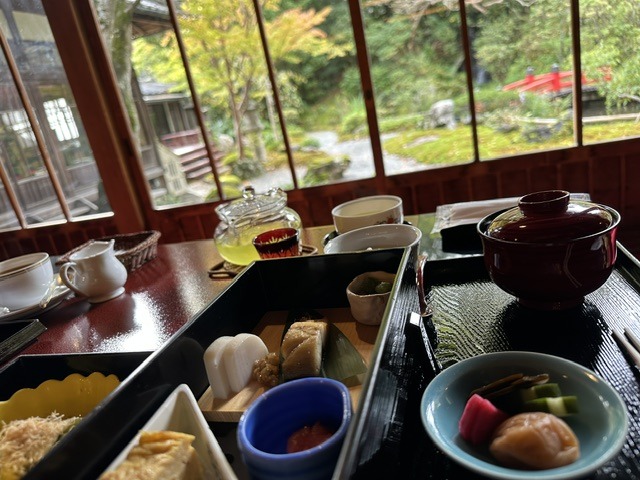
Old photographs and discreet period details tell their stories without demanding attention. A traditional Japanese breakfast taken here, surrounded by manicured gardens and a silence that feels genuinely earned, is one of the more quietly memorable hotel meals I have encountered anywhere in the country.
The Joys of Having a Hot Spring Tap in Your Room
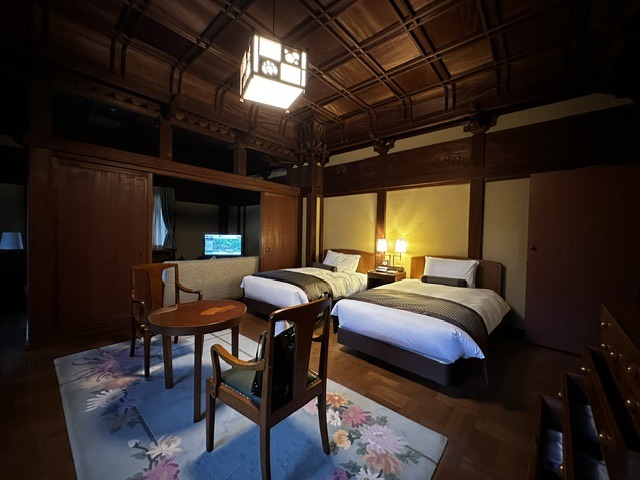
A practical note worth underlining: every guest room draws directly from the hotel’s hot spring source. For international visitors uncertain about communal bathing, this is significant. Privacy and tradition need not be negotiated against each other. Fill the tub, open the window to the cool mountain air, and consider yourself fortunate.
It is a small luxury that proves, by the final morning, surprisingly difficult to leave behind.
A Place That Knows What It Is
The Fujiya Hotel will not suit every traveler. It is not immaculate in the way of a newly minted resort, and it does not aspire to be. Its rhythms are unhurried, its pleasures demand a certain willingness to slow down and meet them where they are.
For those who can, it offers something that money and newness alone cannot manufacture: a sense of genuine continuity with the past, and the rare comfort of a place that has never once lost the thread of what it set out to be.
That is, in the end, a form of luxury all its own.
📋 The Fujiya Hotel: A Brief History
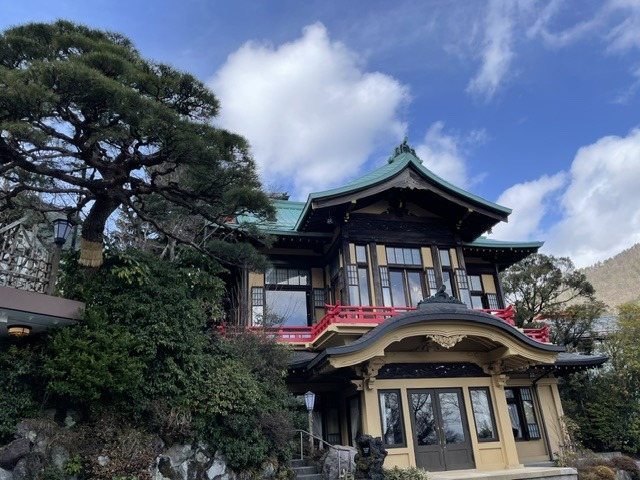
The Fujiya Hotel was founded in 1878 by Sennosuke Yamaguchi, making it one of Japan’s oldest Western-style hotels and among the first to actively court international visitors during the Meiji era — a period of rapid modernization in which Japan was opening itself to the world after centuries of near-total isolation.
Its location in Hakone, a mountainous resort region roughly 80 kilometers southwest of Tokyo, was no accident. The area’s volcanic landscape had long made it a destination for those seeking the therapeutic benefits of its abundant hot springs, and the new railway connections of the era made it newly accessible to both domestic and foreign travelers.
Over the decades, the hotel accumulated a remarkable guest register. Charlie Chaplin stayed here. John Lennon and Yoko Ono were regulars. Several sitting American presidents have been among its visitors, as have members of Japan’s Imperial Family — hence the adjacent Imperial Villa, which the hotel now manages.
The property sustained significant damage during the Second World War and was subsequently requisitioned for use by Allied occupation forces before being returned and restored. A major renovation completed in 2020 addressed structural and cosmetic concerns while deliberately preserving the hotel’s historic character.
Today the Fujiya operates across several wings of varying vintage, with the oldest heritage rooms offering the most direct connection to the hotel’s nineteenth-century origins. It remains privately managed and family-affiliated — a rarity in an industry increasingly dominated by global chains — and continues to occupy a singular place in the story of Japanese hospitality.
READ MORE ABOUT THE MOST UNIQUE PLACES TO STAY IN JAPAN IN TRAVELIFE MAGAZINE