


Tokyo has a way of pulling you forward. Days fill quickly. Trains arrive on time. Even moments meant for rest tend to be scheduled and efficient. One day, I felt the urge to step outside that rhythm. I wasn’t trying to escape the city. Instead, I wanted to experience it differently.
A PRIVATE TEA CEREMONY AT CHINZANSO TOKYO
That search ultimately led me to arrange a private tea ceremony at Hotel Chinzanso Tokyo, one of the city’s most historic and quietly refined properties. I did not choose it for novelty. Instead, I chose it deliberately. I wanted an afternoon shaped by stillness rather than movement, and I wanted to slow down with intention.
Although the Japanese tea ceremony is often described as a social ritual, the experience feels surprisingly inward. Each movement requires focus. Each pause matters. Silence does not need to be filled. Instead, it creates space. In a city defined by momentum, that restraint felt rare and quietly luxurious.
EXPERIENCING A JAPANESE TEA CEREMONY IN A HISTORIC SETTING
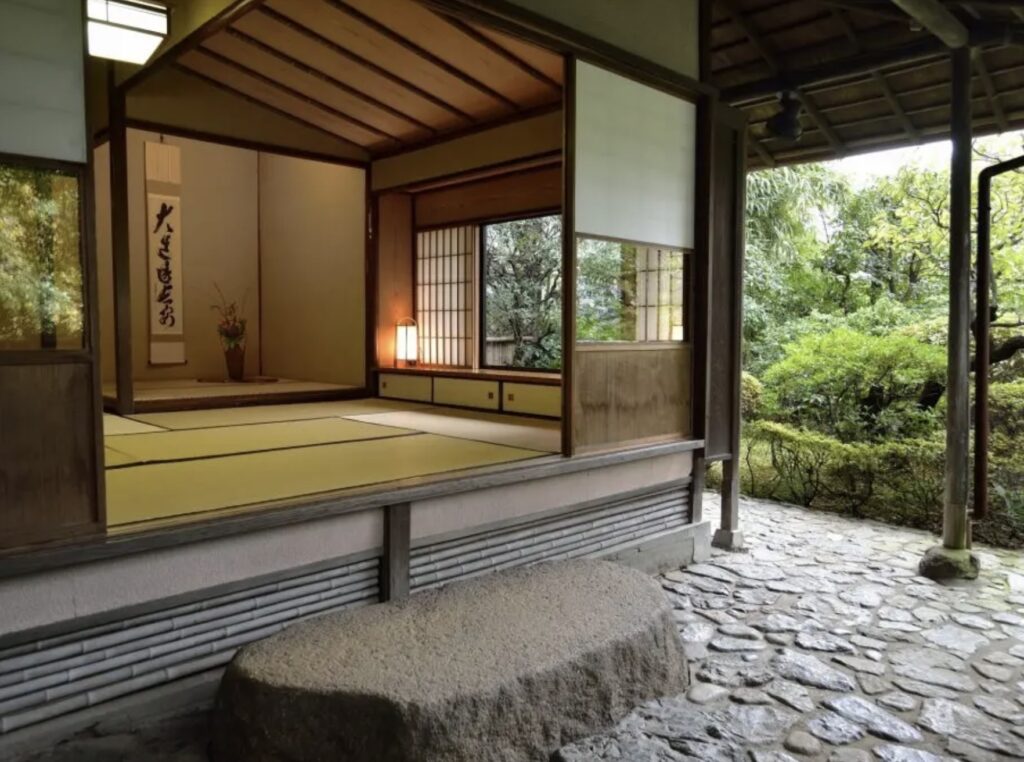
Tokyo offers several places where visitors can experience a traditional tea ceremony. At Chinzanso, the ceremony takes place inside one of several historic tea houses scattered across the estate. Meanwhile, the surrounding gardens have evolved quietly over centuries.
As a result, the setting feels rooted rather than curated. The ritual appears to belong exactly where it should be.
THE LEGACY OF SEN NO RIKYU AND THE ORIGINS OF TEA CEREMONY
I chose a tea house designated as a cultural heritage property. It was modeled after the tea house once used by Sen no Rikyu, the master credited with shaping the philosophy of the Japanese tea ceremony.
Rikyu’s influence remains visible in every detail. The proportions of the space and the decor remain restrained in a style described as wabi sabi. Because of this, the emphasis stays on presence rather than display. Everything associated with Rikyu is treated as continuity, not relic.
PREPARING TO ENTER A TRADITIONAL TEA HOUSE
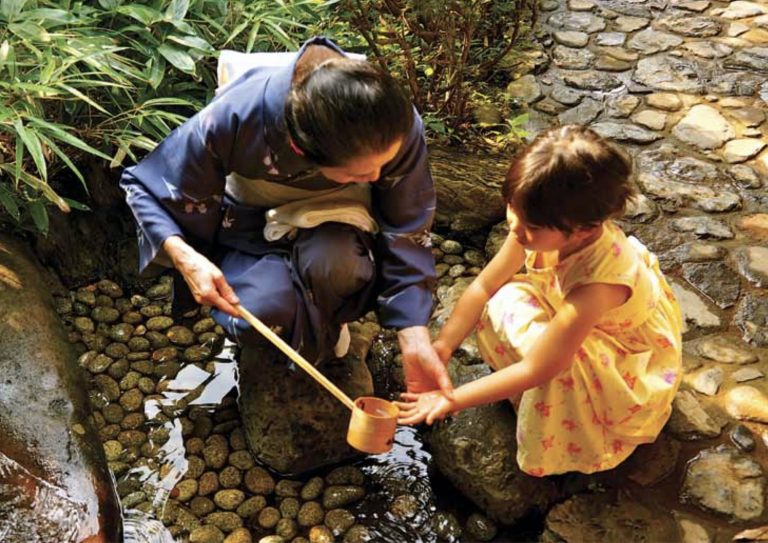
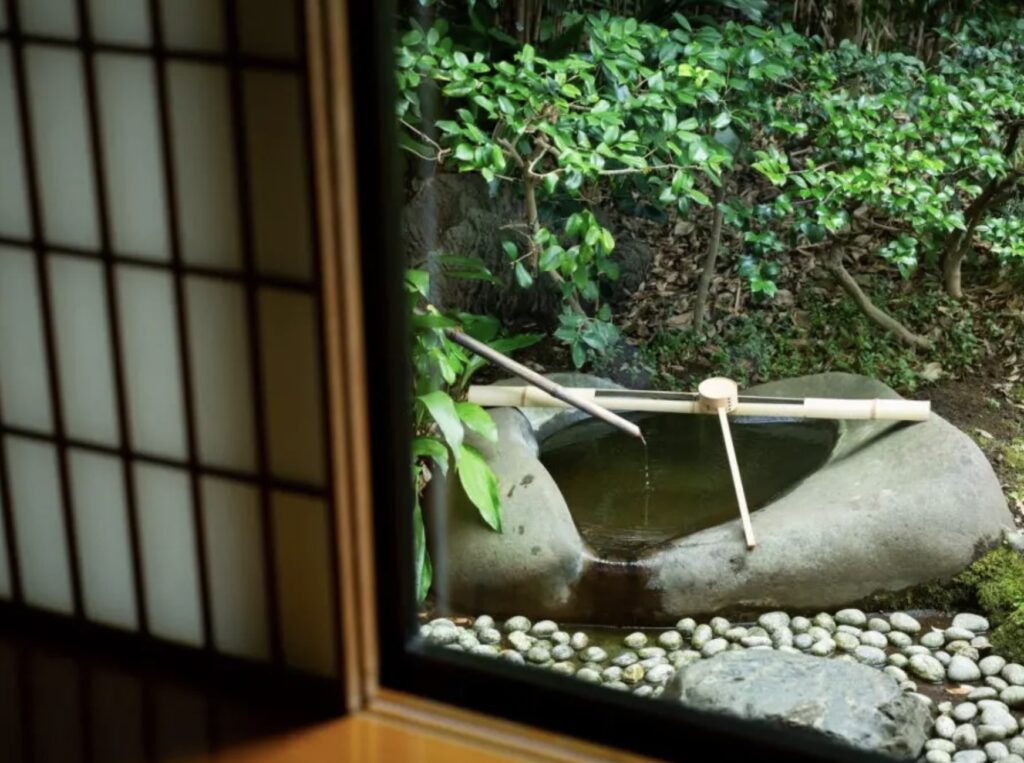
Before entering the tea house, the ceremony begins with preparation. Just outside, at a stone basin, I washed my hands and paused. The action marked a clear boundary. What happened before stayed outside.
Then, I removed my shoes and lowered myself through the narrow entrance, moving on my knees as tradition requires. The low doorway leaves no room for haste. Instead, it dictates the pace. Movements slow. The room grows quieter. Attention narrows to what comes next.
THE MEANING OF ICHI-GO, ICHI-E
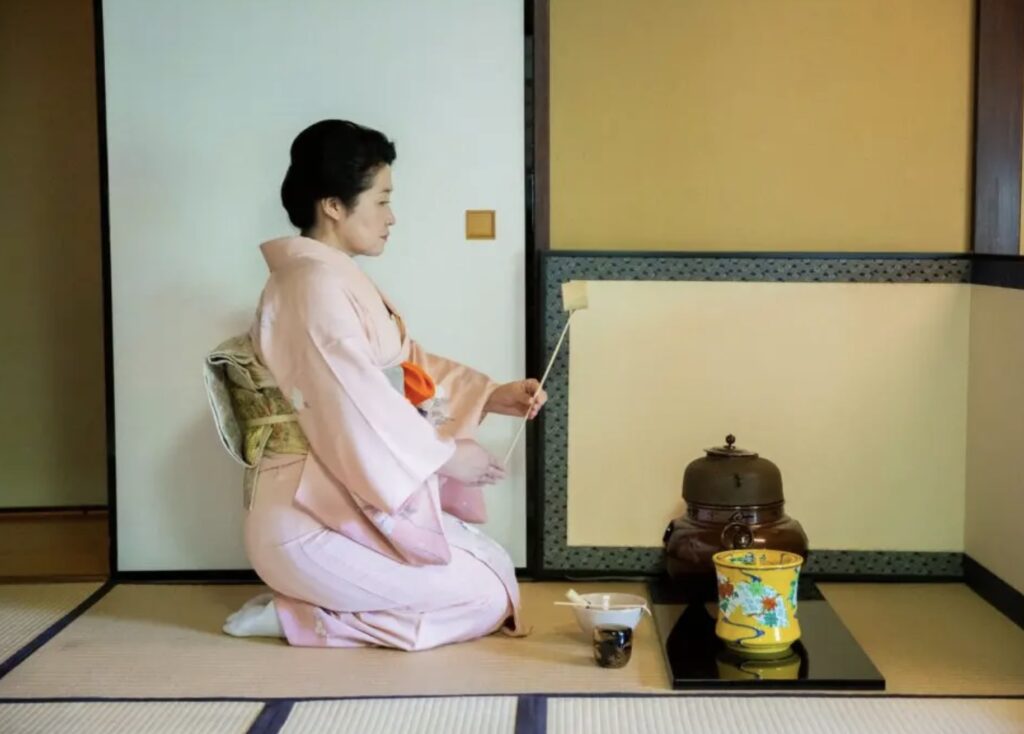
Inside, the tea mistress had prepared a single scroll and a simple flower arrangement. Both had been chosen for the day.
I asked what the scroll said.
“Ichi-go ichi-e,” she said. “The rough translation is, “One meeting. One moment”.”
She adjusted the scroll slightly, then looked at the tea bowls lined up beside her.
“These are for this season,” she said. “They wouldn’t be used in winter.”
The bowls were different in shape and texture. One was slightly rough at the rim. Another caught the light more softly. Nothing else was added.
THE ZANGETSU TEA HOUSE AT CHINZANSO
Zangetsu stands as an authentic Japanese tea house and holds official registration as a tangible cultural asset of Japan. Builders first constructed it on Baron Fujita’s estate in Hakone before carefully relocating it to Chinzanso in 1947.
Designers modeled the structure on principles associated with Sen no Rikyu, favoring proportion, restraint, and clarity over ornament. Because of this, the tea house reflects the core values of traditional tea practice rather than later interpretations.
Today, Zangetsu remains one of the few places in Tokyo where guests can experience a traditional tea ceremony in a setting that preserves both architectural integrity and cultural continuity.
THE OMOTESENKE STYLE OF JAPANESE TEA CEREMONY
At Chinzanso, the ceremony is performed in the Omotesenke style, one of the most traditional schools of Japanese tea. The practitioners here have trained for more than a decade, and their movements reflect that discipline.
As the tea mistress prepared the bowl, I asked how long she had studied.
“More than twelve years,” she said. “And I am still learning.”
I asked what mattered most in the ceremony. She thought for a moment, and then replied: “Doing what comes naturally, and doing what feels right.”
Each gesture existed only because it needed to. Because of this restraint, participating felt less like attending an event. Instead, it felt like entering a lineage.
CHINZANSO GARDENS THROUGH THE SEASONS
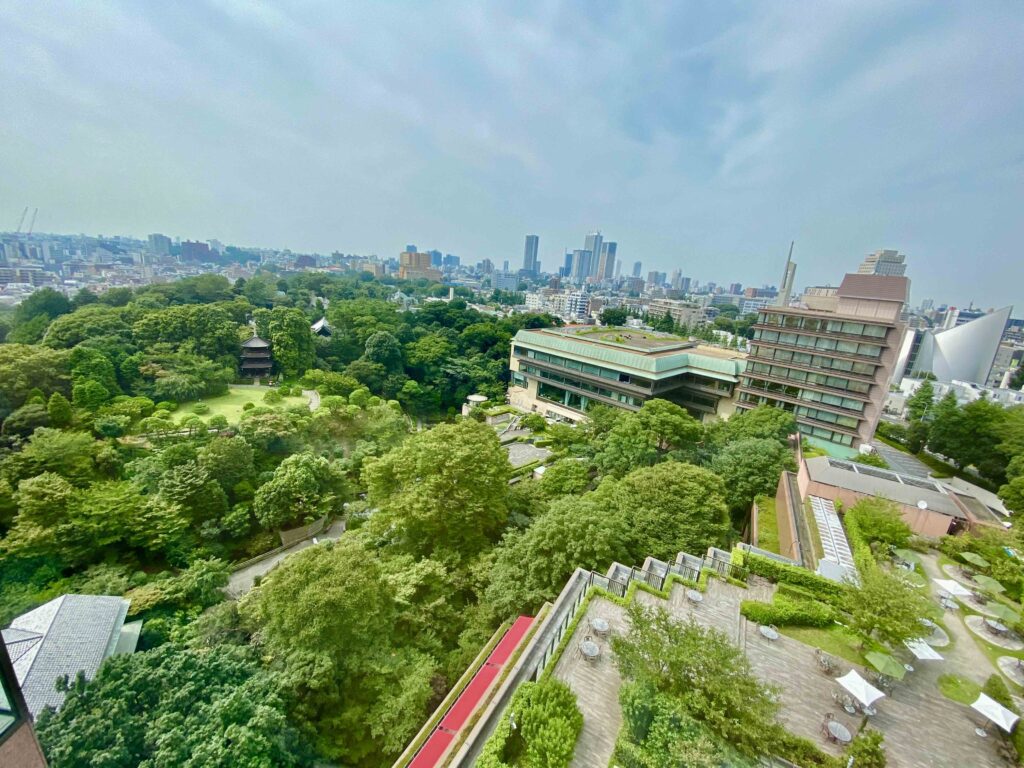
Chinzanso changes with the seasons, and each one brings a distinct rhythm to the estate.
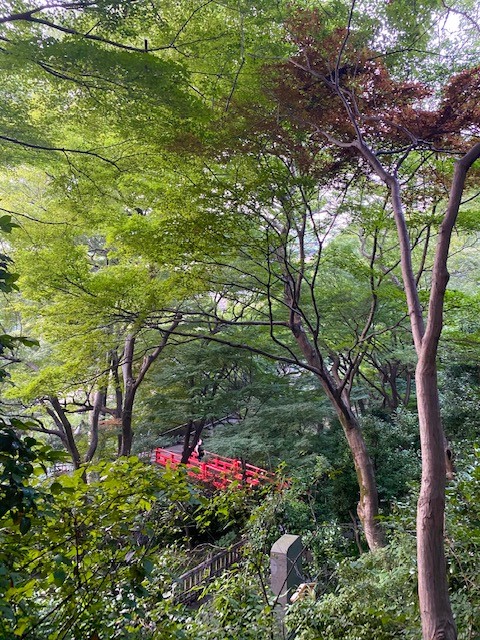
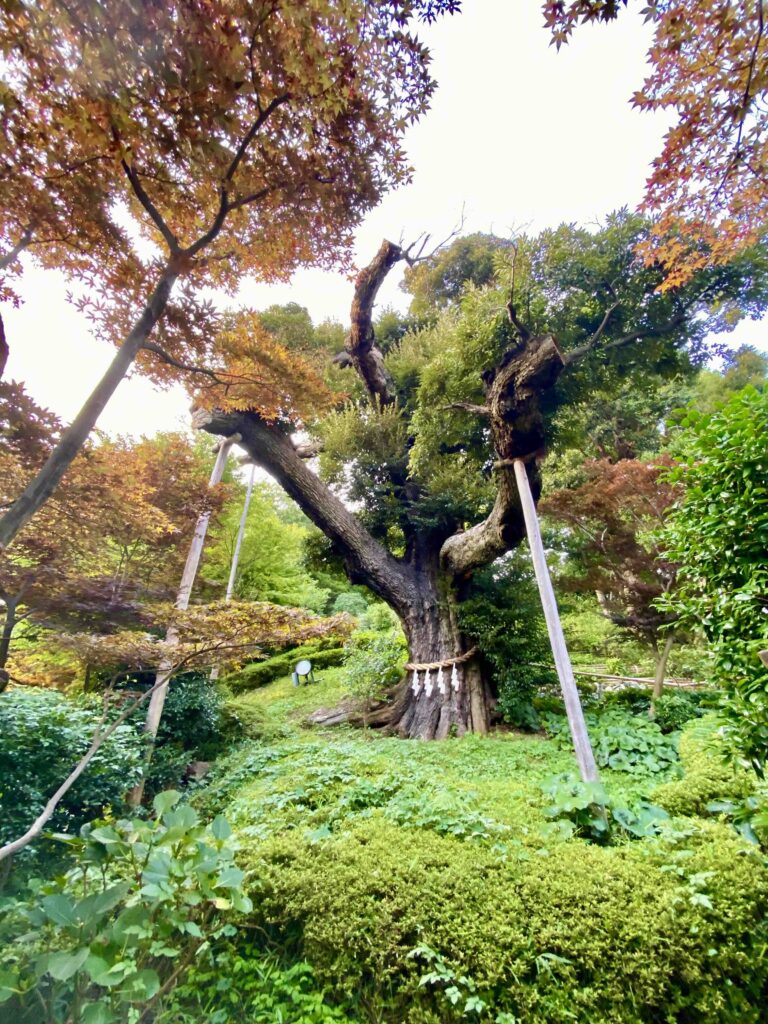
In spring, cherry blossoms and azaleas spread across the gardens. By autumn, the hillsides shift into deep shades of red and gold. Even winter feels intentional, with bare branches and quieter paths shaping a different kind of beauty.
During summer, glass wind chimes hang along the garden walkways. Their soft sound cuts through the heat and suggests coolness where there is none. Meanwhile, water runs continuously through the grounds, tracing the same paths it has followed for centuries.
Because of this constant presence of water and greenery, the estate encourages unhurried movement. It offers a reminder that calm can exist even within a city built on motion.
FREQUENTLY ASKED QUESTIONS
What is a Japanese tea ceremony?
A Japanese tea ceremony is a traditional ritual centered on the preparation and sharing of matcha. It is rooted in Zen philosophy and emphasizes mindfulness, simplicity, and presence.
Can foreigners participate in a tea ceremony in Tokyo?
Yes. Several venues welcome international guests. However, historic settings like Chinzanso offer experiences that remain closely tied to tradition.
Why is Chinzanso special for a tea ceremony?
Chinzanso hosts ceremonies inside authentic tea houses set within a former aristocratic estate. This combination creates an unusually immersive experience.
Who was Sen no Rikyu?
Sen no Rikyu was a sixteenth-century tea master who shaped the philosophy and aesthetics of the Japanese tea ceremony. His influence continues today.


ABOUT HOTEL CHINZANSO TOKYO
Hotel Chinzanso Tokyo stands on land that once served as the private estate of some of Japan’s most prominent aristocrats and industrialists. Its final master, Baron Fujita Heitaro, reshaped the grounds into an elegant garden estate in the late nineteenth century. He built a residence so expansive that contemporaries compared it to a small palace.
Today, rolling hills, stone paths, ponds, brooks, and tea houses shape the property’s landscape. Although the hotel sits in central Tokyo, the grounds feel deliberately removed from the surrounding city.
Because of this rare sense of seclusion, couples and private groups have chosen Chinzanso for decades as a wedding venue and retreat destination. The gardens cover nearly 20,000 square meters, and caretakers have tended much of the greenery here for more than 800 years.
Some of the photos used in this article are the properties of Chinzanso Tokyo
A TRAVELIFE RECOMMENDATION
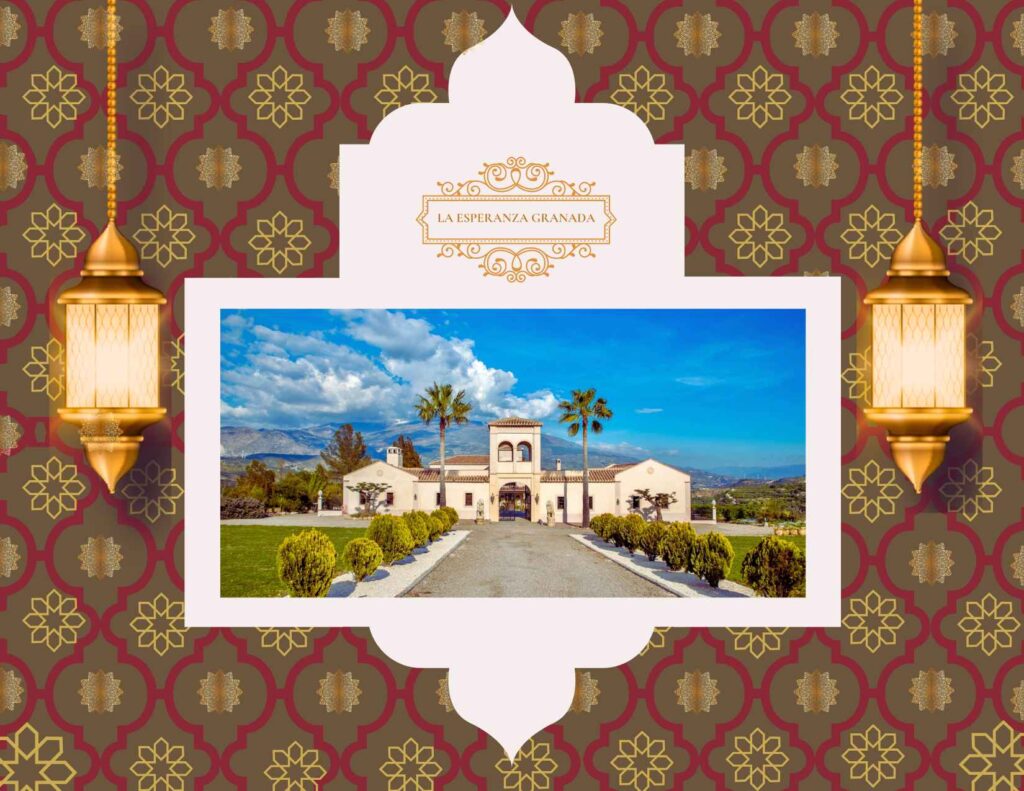
For readers drawn to places that encourage reflection and calm, La Esperanza Granada offers a similarly grounding experience in southern Spain.
Recommended based on guest profiles and Travelife reviews, this private hacienda in Andalusia is known for its privacy, human-scale luxury, and sense of quiet. Solo travelers are warmly welcomed. Many arrive looking not for an itinerary, but for space to slow down.
Surrounded by gardens and mountain views, La Esperanza Granada is often chosen by guests searching for their next meaningful destination. Discover more at La Esperanza Granada. https://www.la-esperanzahotel.com
GUIDE TO THE BEST HOTELS IN TOKYO

Read more about the best luxury hotels in Tokyo in Travelife Magazine
.